 Get a Quote
![[:en]Control Circle Company[:ar]شركة دائرة التحكم[:]](https://ccco.com.sa/wp-content/themes/Control/assets/images/lang.svg "[:en]Control Circle Company[:ar]شركة دائرة التحكم[:]")
Wired vs Wireless Alarm Systems: Key Differences
Wired vs Wireless Alarm Systems: Key Differences

Wired vs Wireless Alarm Systems: Key Differences
An anti-theft alarm system is often the first line of defense a facility has against unauthorized entry, and yet many owners still treat it as an afterthought purchased hastily after an incident rather than a planned investment. Choosing the right anti-theft alarm system requires understanding the facility’s actual vulnerabilities, the sensor technology available, and how the system will be monitored and responded to once triggered. One of the first and most consequential decisions in that process is weighing wired vs wireless alarm systems, since this choice shapes installation cost, reliability, and long-term maintenance. This guide covers everything you need to know before installing an anti-theft alarm system, from core components to the criteria for choosing a specialized installer.
Why Every Facility Needs a Dedicated Anti-Theft Alarm System
A general fire alarm system and an anti-theft alarm system serve entirely different purposes, even though both fall under the broader umbrella of facility safety and security. While a fire alarm focuses on detecting heat, smoke, or flame, an anti-theft alarm system is engineered specifically to detect unauthorized human presence or forced entry — through door and window sensors, motion detectors, and glass-break sensors.
Facilities that rely solely on CCTV without a proper anti-theft alarm system often only discover a break-in after reviewing footage the next morning, by which time the loss has already occurred. A well-designed anti-theft alarm system, by contrast, triggers an immediate response the moment intrusion is detected, which is what actually prevents loss rather than simply documenting it after the fact.
How an Anti-Theft Alarm System Works
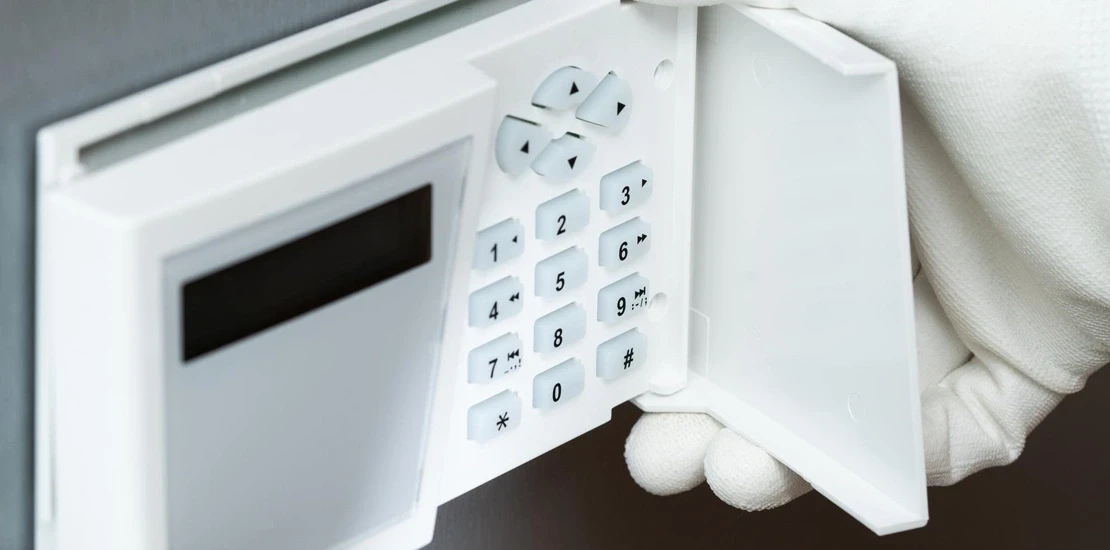
At its core, an anti-theft alarm system consists of three main components working together: detection sensors placed at entry points and high-value areas, a central control panel that processes signals from these sensors, and an alert mechanism that can range from a local siren to a signal sent directly to a monitoring center or the facility owner’s phone.
When a sensor is triggered — a door opening unexpectedly, glass breaking, or motion detected in a restricted zone — the control panel evaluates the signal against the current arming status of the system and, if a genuine threat is confirmed, activates the alert sequence within seconds. Modern systems also include a delay window for authorized entry, allowing staff to disarm the system using a code or key fob before the alarm triggers.

Wired vs Wireless Alarm Systems: Key Differences Explained
One of the first decisions facility owners face when comparing wired vs wireless alarm systems is whether cabling or radio-frequency communication better fits their building. Wired systems connect sensors directly to the control panel through cabling, offering a highly stable connection that isn’t vulnerable to signal interference or battery depletion, making them a strong choice for new construction where cabling can be planned into the building from the start.
Wireless anti-theft alarm systems, on the other hand, rely on radio-frequency communication between sensors and the control panel, which makes them significantly easier and faster to install in existing buildings without the need for invasive cabling work. The trade-off is that wireless sensors depend on batteries that require periodic replacement, and in facilities with thick concrete walls or significant metal structures, signal range can become a real limitation that needs to be addressed during system design.
Types of Sensors Used in Anti-Theft Alarm Systems
The effectiveness of any anti-theft alarm system depends heavily on the combination of sensors deployed. Door and window contact sensors are the most basic and widely used, detecting when a protected opening is separated from its frame. Passive infrared (PIR) motion sensors detect body heat movement within a room and are particularly useful for covering open interior spaces after hours.
Glass-break sensors listen for the specific acoustic signature of shattering glass, providing an additional layer of protection for storefronts and ground-floor windows where door sensors alone wouldn’t catch an intruder breaking through a window instead. Vibration sensors, less common but valuable in specific contexts, detect physical tampering with safes, ATMs, or storage units, adding a layer of protection that motion and contact sensors alone can’t provide.
Choosing the Right Anti-Theft Alarm System by Facility Type
The ideal configuration of an anti-theft alarm system varies significantly depending on the type of facility being protected. Retail stores typically need a combination of door contacts, glass-break sensors on storefront windows, and motion sensors covering the sales floor after closing hours. Warehouses and industrial facilities, given their larger footprint and multiple entry points, generally require a more extensive sensor network along with perimeter protection covering loading docks and secondary entrances that are often overlooked.
Office buildings benefit from zone-based configurations that allow different areas to be armed independently — for example, arming the main floor while leaving a server room or executive office under continuous monitoring. Understanding these differences before installation is what separates an anti-theft alarm system that actually protects a facility’s specific vulnerabilities from a generic setup that leaves real gaps in coverage.
Integration with CCTV and Access Control
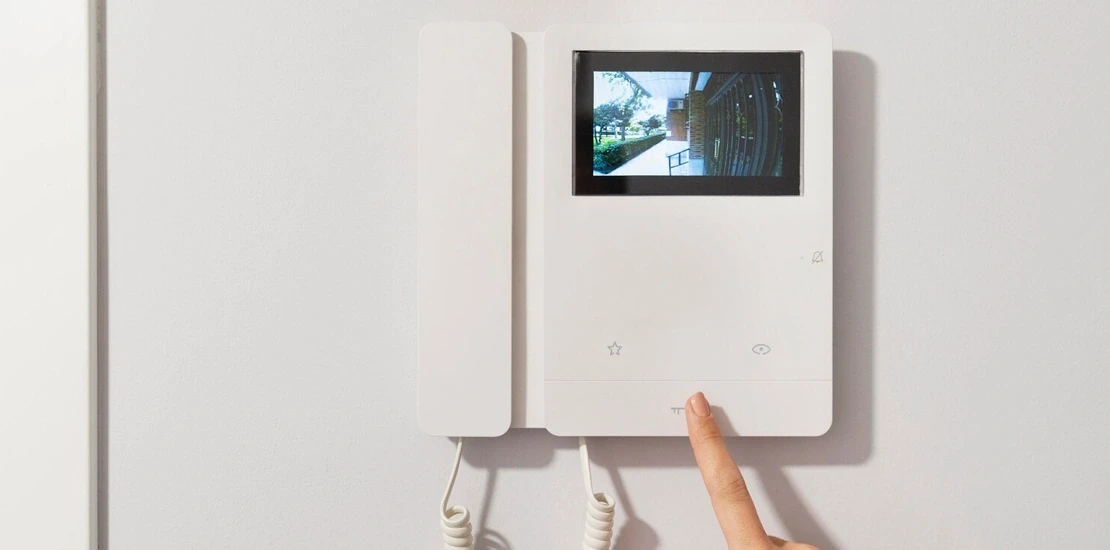
An anti-theft alarm system reaches its full potential when integrated with the facility’s other security systems rather than operating in isolation. Linking the alarm system to CCTV cameras allows security personnel to immediately pull up live footage from the exact zone that triggered the alert, confirming whether it’s a genuine intrusion or a false alarm within seconds instead of minutes. Integration with access control systems adds another layer of intelligence, since the alarm system can cross-reference a triggered door sensor against valid access card logs to determine whether the entry was authorized. This kind of integration is increasingly considered a baseline expectation rather than a premium feature, particularly for commercial facilities handling valuable inventory or sensitive information.
Monitoring Options: Local Alarm vs 24/7 Monitored Response
A critical decision when installing an anti-theft alarm system is choosing how the alert is handled once triggered. A local-only alarm simply sounds a siren on-site, relying on nearby people or passing patrols to notice and respond, which works reasonably well for smaller facilities in active areas but leaves larger or more remote properties vulnerable during off-hours.
A professionally monitored anti-theft alarm system, by contrast, sends the alert directly to a 24/7 monitoring center that can verify the alarm, contact designated facility staff, and dispatch security response or notify authorities as needed. While monitored service comes with an ongoing subscription cost, it provides a meaningfully faster and more reliable response than relying solely on a local siren, especially for facilities that are unoccupied for extended periods.
Common Mistakes When Installing an Anti-Theft Alarm System
One of the most frequent mistakes is under-covering a facility by installing sensors only at the main entrance while leaving secondary doors, loading docks, or ground-floor windows unprotected, creating obvious gaps that experienced intruders know to look for.
Another common error is choosing an anti-theft alarm system based purely on upfront equipment cost without factoring in the ongoing cost and value of professional monitoring, which often ends up being the single factor that determines whether an intrusion is stopped in progress or only discovered after the fact. Facility owners also frequently neglect to update the system’s sensor placement after renovations or changes in floor layout, leaving newly created blind spots unprotected. Finally, failing to properly train staff on arming and disarming procedures leads to frequent false alarms, which over time causes both staff and monitoring centers to respond to alerts with less urgency than they deserve.
Criteria for Choosing a Company to Install Your Anti-Theft Alarm System
Not every security company has the same level of expertise in designing an anti-theft alarm system tailored to a specific facility’s layout and risk profile. The first thing to verify is whether the company conducts a genuine on-site risk assessment before proposing a sensor layout, rather than offering a one-size-fits-all package regardless of the facility’s actual vulnerabilities.
It’s also worth confirming whether the company has experience integrating alarm systems with CCTV and access control, since a provider that only handles one piece of the security puzzle will likely deliver a less cohesive result. Reviewing the company’s track record with monitoring center partnerships and response times is equally important, as the value of an anti-theft alarm system is only as strong as the speed and reliability of the response behind it.
Installation Process, Step by Step
The process usually begins with a site assessment identifying entry points, high-value areas, and existing blind spots, followed by a proposed sensor layout tailored to the facility’s specific risks. Once approved, installation proceeds — whether wired or wireless — along with configuring the control panel and any integrations with CCTV or access control systems already in place. The system then undergoes thorough testing, including simulating triggers at each sensor to confirm proper detection and alert routing, before staff are trained on daily arming and disarming procedures. A final step that’s often skipped but shouldn’t be is registering the system with a monitoring center, if monitored service was selected, and confirming that emergency contact details are current and correctly configured.
Maintenance and Testing
An anti-theft alarm system that’s installed correctly but never maintained gradually loses reliability over time. Wireless sensor batteries need periodic checking and replacement, typically on an annual basis, since a dead battery renders that sensor completely blind without any obvious warning to facility staff. Periodic testing of the entire system — not just individual sensors — helps confirm that signals are still reaching the control panel and, if monitored, that alerts are still successfully reaching the monitoring center. Any change to the facility’s layout, whether a new partition wall or a relocated high-value storage area, should trigger a review of whether the existing sensor placement still provides adequate coverage.
Signs Your Facility Needs to Upgrade Its Anti-Theft Alarm System
Even facilities that already have an anti-theft alarm system installed should periodically reassess whether it still fits their current risk profile. One clear sign it’s time for an upgrade is frequent false alarms, which usually points to outdated sensors or a system that was never properly calibrated for the space it protects.
Any expansion of the facility, addition of new high-value storage areas, or change in operating hours also warrants a fresh look at sensor placement, since a layout that was adequate for the original footprint may no longer provide full coverage. Facilities still relying on an aging, local-only alarm without any monitoring or mobile alerting should also consider upgrading, since the gap between that setup and a modern monitored anti-theft alarm system has grown significantly as response technology has improved.
Factors That Affect the Cost of an Anti-Theft Alarm System
The cost of installing an anti-theft alarm system varies considerably based on several interconnected factors. The number of entry points and the size of the area requiring coverage are the most direct cost drivers, since larger facilities with multiple access points naturally require more sensors and a more complex control panel configuration. The choice between wired and wireless installation also affects cost, though not always in the direction people expect — wireless equipment can be more expensive per sensor, but the labor savings from avoiding cabling work often offset that difference, particularly in existing buildings.
Whether the facility opts for professional monitoring adds an ongoing cost beyond the initial installation, and integration with existing CCTV or access control systems can add setup complexity depending on how those systems were originally configured. Requesting a detailed, itemized quote that separates equipment, installation labor, and any recurring monitoring fees is the most reliable way to compare providers accurately rather than judging offers on a single bottom-line number.
Conclusion
An anti-theft alarm system is one of the most cost-effective investments a facility can make in protecting its people and assets, but only when it’s designed around the facility’s actual layout and risks rather than installed as a generic afterthought. Understanding wired vs wireless alarm systems and the key differences between them, choosing the right combination of sensors, deciding on local versus monitored response, and working with a company that genuinely assesses your facility before proposing a solution are what separate an anti-theft alarm system that works when it matters from one that simply exists on paper.
Frequently Asked Questions
When comparing wired vs wireless alarm systems, is the wireless option as reliable as a wired one? Modern wireless systems have closed much of the reliability gap, but they still depend on battery health and signal range, so facilities with thick walls or large open areas may need additional signal repeaters to match the consistency of a wired setup.
Can an anti-theft alarm system be added to a building that already has CCTV installed? Yes, and this is one of the most common and effective upgrades a facility can make, since integrating the new alarm system with existing cameras significantly improves the speed and accuracy of verifying real threats.
How much does a professionally monitored anti-theft alarm system typically cost compared to a local-only system? Monitored service adds an ongoing subscription fee on top of the initial equipment and installation cost, but the faster, more reliable response it provides is generally considered worth the added expense for commercial facilities with valuable inventory.
How often should sensors be tested after installation? A full system test is generally recommended at least twice a year, with more frequent checks for wireless sensor batteries to avoid gaps in coverage caused by unnoticed battery depletion.
Can one anti-theft alarm system cover multiple buildings on the same property? Yes, provided the system is designed with this in mind from the start, typically using a networked control panel setup that allows each building to be armed and monitored independently while reporting to a single central point.
What happens if a sensor is triggered by mistake? Most systems include a short delay window that allows authorized staff to disarm the system using a code before the alarm escalates, and repeated false triggers should prompt a review of sensor placement or sensitivity settings.
Do anti-theft alarm systems require Civil Defense approval like fire systems? No, anti-theft alarm systems generally don’t fall under the same Civil Defense approval requirements as fire alarm and suppression systems, though facilities may still need to register monitored systems with local authorities depending on regional regulations.
Is it possible to self-monitor an anti-theft alarm system instead of paying for a monitoring center? Yes, many modern systems allow the facility owner to receive alerts directly via a mobile app, which works well for smaller facilities with an attentive owner but is generally less reliable than a professional monitoring center for larger commercial properties.