 Get a Quote

Best Alarm Systems Company: Integrating Alarms with Intrusion Protection
Best Alarm Systems Company: Integrating Alarms with Intrusion Protection
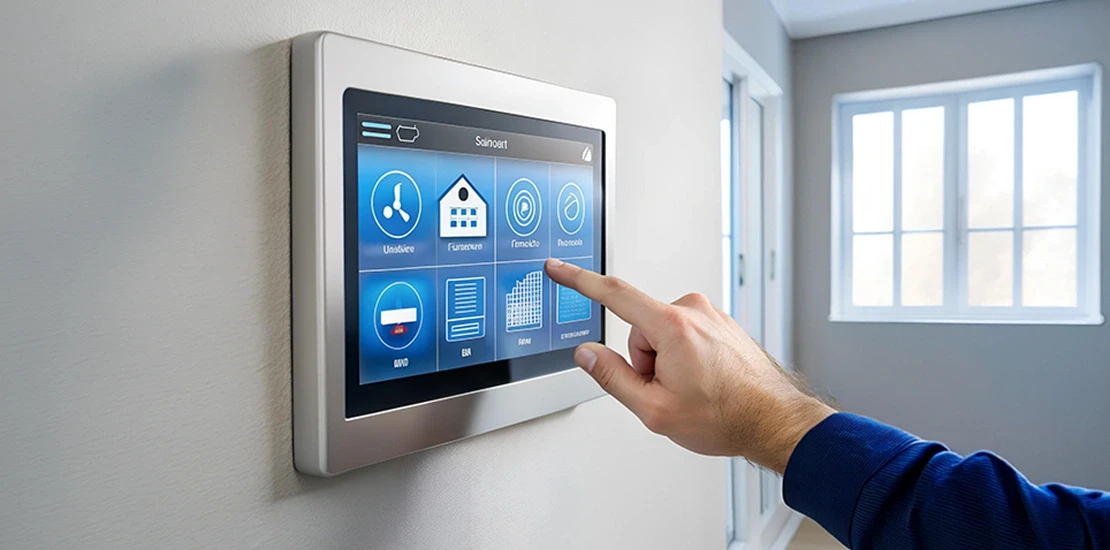
Many facility owners treat an alarm system as a standalone product installed once and forgotten, without considering the real value that comes from integrating it with the rest of the facility’s security layers. This is where the fundamental difference shows between an ordinary installation company and the best alarm systems company capable of designing an integrated framework that combines alarms, intrusion protection, and CCTV cameras into one cohesive solution. This guide explains how this integration actually works in practice, and what criteria genuinely determine the best alarm systems company worth hiring.
Why Everyone Looks for the Best Alarm Systems Company Instead of Basic Installation
A basic installation of a single standalone alarm device may seem sufficient at first glance, but in reality it leaves the facility exposed to real gaps that an isolated system, cut off from the rest of the protection layers, doesn’t cover. When an alarm system operates in isolation from CCTV cameras or an access control system, the facility owner loses the ability to immediately visually verify any alert, relying only on a bell sound or a text notification without additional context.
For this reason, searching for the best alarm systems company capable of providing a fully integrated solution, not just a standalone device, has become the prevailing trend among commercial and industrial facility owners who understand the value of comprehensive protection.
What Integration Between Alarm Systems and Intrusion Protection Actually Means
Integration simply means that all components of the security ecosystem work together clearly as a single, cohesive unit rather than each system operating in isolation from the others. When a motion sensor detects an actual intrusion attempt, an integrated system doesn’t just sound the alarm — it automatically directs the nearest camera toward the event location and sends an immediate notification to the security team or monitoring center that includes a live shot from the scene. This kind of intelligent, well-considered interconnection between systems is what distinguishes the solutions offered by the best alarm systems company from traditional standalone installations that simply trigger an audible bell with no additional context.
Components of a Fully Integrated Anti-Intrusion Alarm System
A genuinely integrated system consists of several elements working in complete, precise harmony. First, motion and vibration sensors distributed across sensitive points like windows and external doors. Second, a central control panel capable of communicating with every connected device and managing the automatic immediate response when any alarm activates. Third, CCTV cameras directly linked to the alarm system for immediate visual verification of any suspicious event, giving the security team a complete, clear picture of any event the moment it occurs. Fourth, the option to link with a 24/7 monitoring center for fast response when genuinely needed. All these elements combined are what create the difference between a simple alarm system and a genuinely integrated protection framework.
How the Best Alarm Systems Company Integrates Alarms, Cameras, and Access Control
A genuinely specialized company doesn’t sell separate devices for the client to piece together later — it designs a unified infrastructure from the start that allows all systems to communicate through a single control platform. This means any event logged in the access control system, such as an attempt to open a door with an invalid card, can automatically trigger the nearby camera and alert the security team at the same moment. This level of integration requires genuine engineering expertise in designing networks and shared protocols between different systems, something only companies with a technical team truly experienced in this specific type of project can offer.
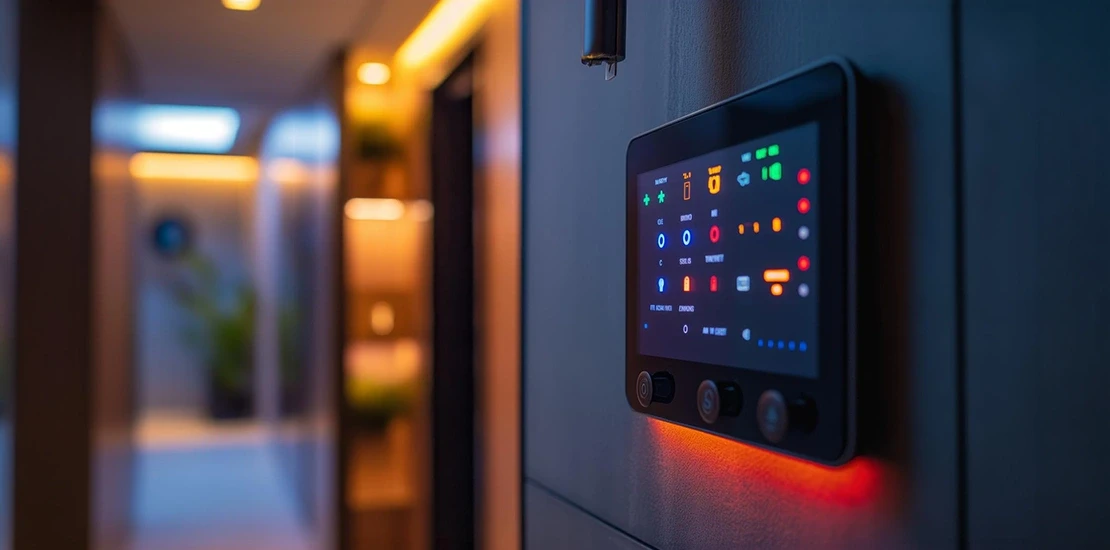
The Difference Between a Simple Alarm System and an Integrated System from a Specialist
A simple system usually operates as a standalone device with one function: sounding an alert when unauthorized motion is detected. The integrated system offered by the best alarm systems company goes far beyond that; it provides a complete, documented record of every security event linked to a captured image and precise timing, facilitating any subsequent investigation in the event of an actual incident. Similarly, an integrated system significantly reduces false alarms, since immediate visual verification allows the security team to distinguish genuine movement from ordinary activity like an animal passing by or a curtain moving in the wind.
Criteria for Identifying the Best Alarm Systems Company
When searching for the best alarm systems company, it’s essential to verify its actual ability to integrate multiple systems from different brands within a single control platform, rather than simply selling one product from a single supplier. Similarly, it’s important to review actual past projects that included this type of integration, to confirm the company has genuine experience rather than just marketing promises. Specialized firms such as Control Circle Company provide integrated solutions combining alarm systems, CCTV cameras, and access control within a single coordinated project, in addition to Maintenance and Support services that ensure this integration’s continued efficiency after handover, not just at initial installation.
The Role of Fast Response and Continuous Monitoring in Security Integration
Technical integration alone isn’t enough without a fast, effective human response mechanism. The best alarm systems company typically offers the option of linking with a 24/7 monitoring center, where any alarm is immediately verified by a specialized team before contacting the facility owner or security authorities when genuinely needed. This level of fast response makes a real difference for facilities that remain unoccupied for long periods, such as warehouses and administrative offices after hours, where the first few minutes after detecting an intrusion attempt are critical to preventing an actual loss.
Common Mistakes When Choosing an Alarm Systems Company
One of the most common mistakes is contracting with a company that sells separate products without actual ability to integrate them within one framework, leaving the facility owner with several systems operating in isolation from each other despite paying for each separately. Another recurring mistake is neglecting to ask about the system’s ability to integrate with additional systems the project may need later, forcing the facility owner to fully replace the system instead of adding new components to it. Similarly, relying on a company without a documented track record of previous integrated projects increases the risk of getting a superficial installation that doesn’t deliver the real benefit of integration.
Contracting Process with the Best Alarm Systems Company
The process typically begins with a comprehensive site visit to assess the location and identify sensitive entry points and areas needing both alarm and camera coverage together. The company then presents a proposed design showing how all systems will connect within a unified control platform, before moving to the actual installation and comprehensive testing stage to confirm every automatic activation scenario works as required. It’s important that the contract includes a clear clause regarding periodic maintenance to ensure the integration between systems remains efficient long-term, not just at initial handover.
Periodic Maintenance to Ensure Continued Security Integration Efficiency
An integrated system needs more precise maintenance than a simple system, since a fault in one component can affect the entire automatic response chain. Practically speaking, periodic inspection covering the continued operation of every integration point between systems is recommended, not just checking each device separately. The best alarm systems company typically offers maintenance contracts covering this kind of comprehensive inspection, with documented reports showing the status of each integration point after every periodic maintenance visit.
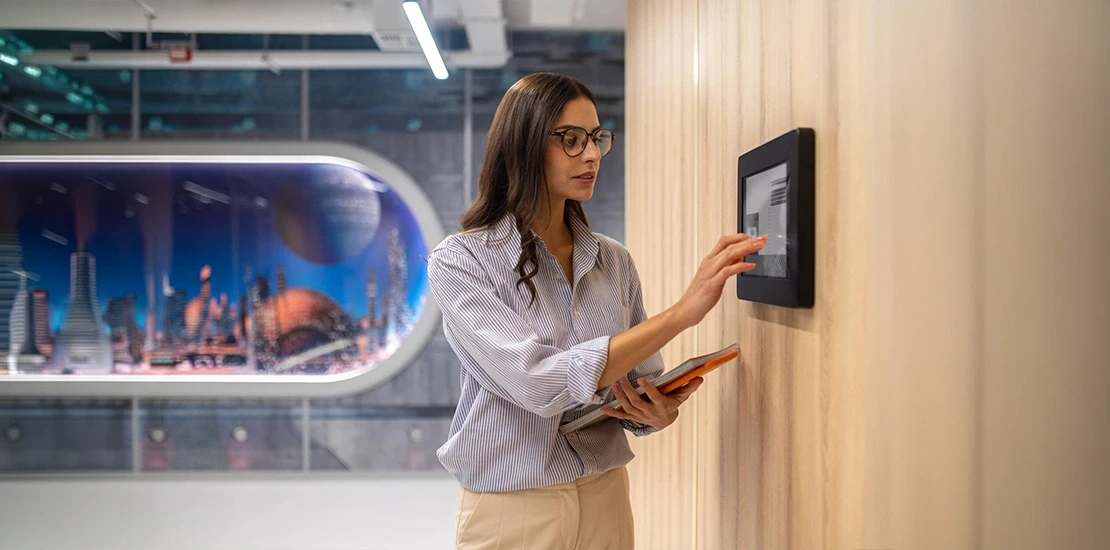
The Role of a Unified Platform in Simplifying Integrated System Management
One of the most important technical elements distinguishing the best alarm systems company is its ability to provide a unified control platform that brings all systems together under one easy-to-use interface. Without this unified platform, the security team is forced to navigate between several separate apps or screens to review each system’s status individually, which slows down the actual response when an emergency occurs. A good unified platform displays the status of all systems on a single dashboard, and sends unified alerts ranked by priority instead of scattered notifications that are difficult to follow in critical moments.
Additionally, some advanced platforms allow remote access via mobile apps, letting the facility owner or security manager monitor system status and verify any alarm even while off-site — a feature that has become nearly essential for modern facilities managed from multiple locations.
Cross-Brand Compatibility as a Decisive Factor in Integration
Not all systems available in the market can communicate with each other easily, and this challenge highlights the importance of choosing a company with genuine experience handling multiple communication protocols between different brands. Some companies limit their expertise to a single brand only, forcing the client to buy all system components from the same supplier even when better options exist from other brands for a specific component. The best alarm systems company has the technical flexibility to integrate equipment from different brands within a single, cohesive framework, as long as this equipment supports open, standardized communication protocols.
How Security Integration Reduces False Alarms
One of the biggest problems facility owners face with non-integrated systems is the frequency of false alarms caused by simple reasons like an animal passing by or a curtain moving in the wind. In an integrated system, when a motion alarm activates, the system automatically directs the nearest camera to capture the area and verify visually before sending a full alert to the security team or monitoring center. This immediate verification significantly reduces the number of false alarms reaching the response team, preserving the system’s credibility and preventing “alarm fatigue,” which can make the team less serious about handling recurring alerts over time.
The Importance of Training the Security Team on the Integrated System
Although technical integration reduces the human effort required for daily monitoring, training the security team to understand how the integrated system works remains essential to getting maximum benefit from it. The security team needs to understand how to read unified alerts and prioritize response when several events occur close together, and how to use the control interface to quickly verify any alarm before deciding to escalate. The best alarm systems company recognizes this need and typically provides a comprehensive training session for the team after handover, rather than simply delivering the system and leaving the team to learn through trial and error in moments that could be genuinely critical.
How Security Integration Supports Decision-Making in Critical Moments
In the first moments after detecting any potential security threat, speed and accuracy in decision-making are decisive factors. An integrated system provides the security team with all necessary information in one place: the event location, a live captured image, and a record of any previous events linked to the same area. This immediate consolidation of information saves valuable time that would otherwise be wasted navigating between several separate systems to piece together the full picture — a difference that can be decisive in determining whether a fast response is enough to prevent an actual loss or delayed just enough for the incident to occur.
The Importance of Periodic Testing of Integration Scenarios
Building an integrated system at the installation stage doesn’t mean it will keep working at the same efficiency forever without review. One of the good practices offered by the best alarm systems company is conducting periodic tests of different integration scenarios, such as simulating a motion alarm activation and confirming the nearby camera actually responds and sends the required notification within the specified time. These periodic tests reveal any gradual decline in integration performance that may result from incompatible software updates or changes in network settings — problems that may not appear clearly in normal daily use but become entirely critical at the exact moment the system is genuinely needed.
Conclusion
Integrating alarm systems with intrusion protection isn’t a technical luxury — it’s the real difference between a facility that’s genuinely protected and one with separate devices that don’t communicate with each other when actually needed. Working with the best alarm systems company capable of designing this integration with genuine expertise, and providing ongoing maintenance service that ensures its continued efficiency, is the smarter investment for any commercial or industrial facility seeking comprehensive protection instead of separate, limited-effectiveness solutions.
Frequently Asked Questions
What’s the difference between a regular alarm system and one integrated with cameras?
A regular system simply sounds an alert when motion is detected, while an integrated system automatically links the alarm to activating the nearby camera and sending a live shot to the security team, enabling immediate visual verification of the event.
Can an existing alarm system be integrated with new CCTV cameras?
In many cases yes, provided the current infrastructure can accommodate this integration, which the best alarm systems company can assess after a site visit.
Does integration between systems significantly raise project cost?
Integration adds extra cost compared to separate systems, but it delivers much greater operational value long-term by reducing false alarms and speeding up the actual response when needed.
How do I verify that a company has genuine experience in security integration?
It’s useful to request actual examples of previous projects that included this type of integration, and confirm the company’s ability to work with multiple brands within a single control platform rather than just one product.
Does an integrated system need different maintenance than separate systems?
Yes, it needs inspection covering the continued operation of integration points between different systems, not just checking each device separately as is the case with non-integrated systems.
Can an access control system be added later to an existing alarm and camera setup?
Yes, provided the original system design accounted for future expansion, which should be confirmed when initially contracting with the best alarm systems company to avoid needing to fully replace the system later.
Is an external monitoring center required to benefit from security integration?
No, some facilities manage response internally through a dedicated security team, but linking with a continuous monitoring center provides an extra layer of protection, especially for facilities that remain unoccupied for long periods.
Can the integrated system work with a mobile app for remote monitoring?
Yes, most modern solutions offer dedicated apps that let the facility owner or security manager monitor system status and verify any alarm even while off-site, provided there’s a stable internet connection and clear access permission settings.
Does security integration work equally well in existing buildings and new buildings?
Yes in principle, but new buildings allow planning the integration infrastructure from the design stage, while existing buildings may need additional modifications to ensure older systems are compatible with modern integration requirements.
How long does it take to train a security team to use the integrated system?
The time varies depending on system complexity and the team’s prior experience, but one comprehensive training session is usually enough to cover basic usage, with additional follow-up sessions available if needed.