 Get a Quote

Periodic Maintenance Schedule for Safety & Security Systems
Periodic Maintenance Schedule for Safety & Security Systems
Periodic Maintenance Schedule for Safety & Security Systems
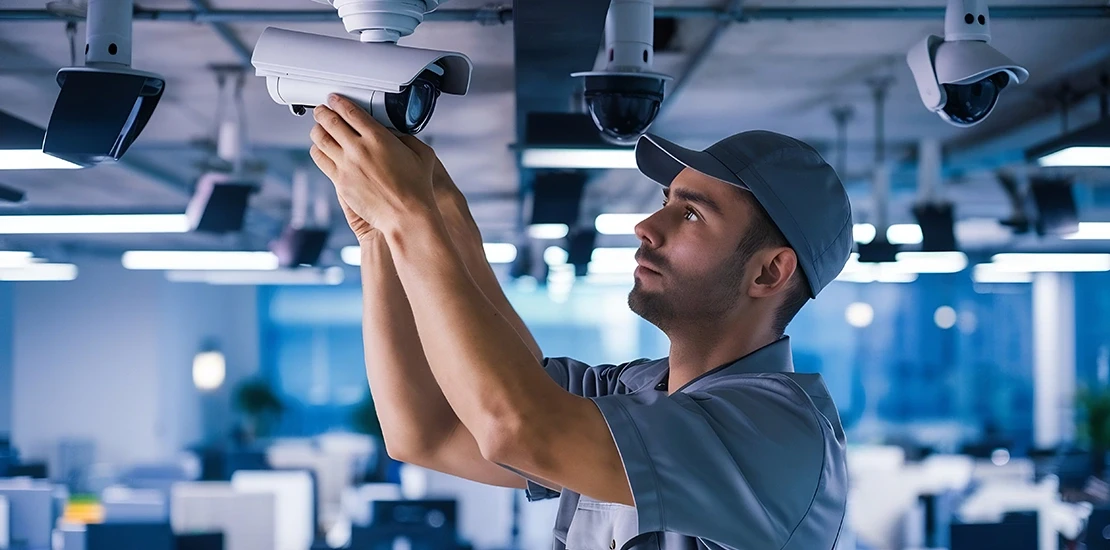
Many facility owners treat installing safety and security systems as a final step, forgetting that a system’s real effectiveness depends directly on regular maintenance after installation. Working with a specialized CCTV maintenance company isn’t an added luxury — it’s a practical necessity that ensures your surveillance and alarm system actually works when needed, instead of discovering a fault or performance decline only after an incident occurs that could have been avoided.
As commercial and industrial facilities increasingly rely on integrated surveillance systems, having a clear, written maintenance schedule from a trusted CCTV maintenance company has become a core part of any serious security strategy rather than an optional procedure. This guide walks through a proposed periodic maintenance schedule for different safety and security systems, and the criteria for choosing the right CCTV maintenance company to carry it out.
Why Periodic Maintenance Is No Less Important Than Initial Installation
Many facility owners assume that once a security system is installed and certified, it will keep working efficiently forever without further intervention. This assumption is entirely wrong; cameras are exposed to dust accumulation and gradual lens quality degradation over time, alarm system sensors can gradually lose sensitivity, and backup power source batteries need periodic inspection to confirm they’re ready when main power fails. Without a regular maintenance schedule, a facility owner typically discovers the system is faulty only at the exact moment footage needs to be reviewed or a response to an actual emergency is required — the worst possible moment to discover this type of failure.
What a CCTV Maintenance Company Should Cover in a Periodic Schedule
A comprehensive maintenance schedule doesn’t just cover checking cameras — it covers every component of the integrated security ecosystem. This includes cleaning camera lenses and checking imaging angles to confirm they haven’t shifted due to vibration or tampering, inspecting recording devices (NVR/DVR) and confirming available storage capacity and hard drive integrity, testing motion and smoke sensors in alarm systems, checking control panels and backup power batteries, in addition to reviewing the integrity of wiring and connections in wired systems, or signal strength in wireless systems.
How a CCTV Maintenance Company Handles Preventive vs. Reactive Maintenance
Preventive maintenance is the pre-scheduled periodic inspection aimed at catching any performance decline before it turns into a complete failure, while reactive maintenance is the response to a fault that has already occurred. Relying entirely on reactive maintenance — waiting for a fault to happen then fixing it — is often more costly in the long run compared to regular preventive maintenance, since faults caught early are typically cheaper and easier to fix than faults left unaddressed for a long time. A good specialized CCTV maintenance company combines both approaches within a comprehensive maintenance contract, with preventive maintenance as the foundation and fast response for reactive maintenance available when an emergency fault occurs.
A CCTV Maintenance Company’s Proposed Schedule for Cameras
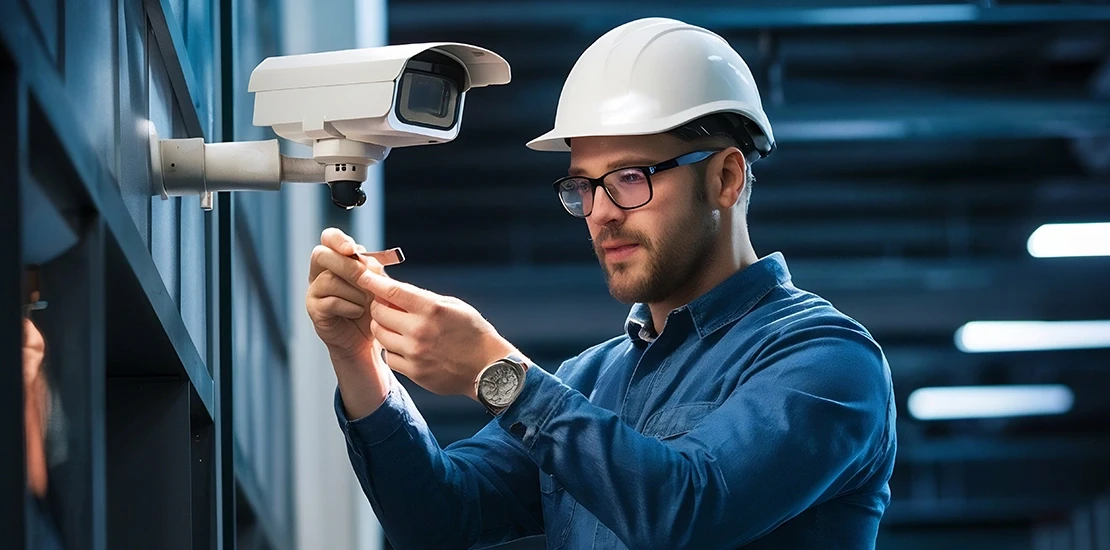
Practically speaking, a simple monthly check is recommended covering confirmation that all cameras are functioning and image quality and visible lens cleanliness. The quarterly check should be deeper, covering electrical and network connections, testing pan-tilt-zoom functions for PTZ cameras, and reviewing remaining storage capacity on recording devices. The comprehensive annual check should cover a full evaluation of the system’s efficiency compared to the facility’s current needs, including verifying that current coverage remains sufficient in case of any change in the facility’s layout or the addition of new areas requiring monitoring.
Maintenance Schedule for Alarm and Fire Systems
The inspection frequency differs slightly for alarm and fire systems given their higher security sensitivity. A simple weekly or bi-weekly check is recommended to confirm the control panel is operating without error messages, along with a monthly check of sensors to confirm their actual responsiveness. The quarterly check should include an actual test of the alarm bell and backup power sources, while the annual check requires a comprehensive review aligned with Civil Defense certificate renewal requirements, which typically require submitting a documented maintenance log as part of the renewal process.
Signs You Need to Call a CCTV Maintenance Company Immediately
Some signs call for immediate intervention without waiting for the next scheduled visit. Among the most notable are unusual blurring or distortion in image quality, or a specific camera stopping recording without a clear cause. Similarly, recurring false alarms in alarm systems often indicate a calibration issue that needs urgent technical inspection. Any recurring network connection loss between cameras and the recording device, or repeated error messages on the control panel, are signs that shouldn’t be left unaddressed even if the system still appears to be partially working.
Common Mistakes When Not Working with a CCTV Maintenance Company
One of the most common mistakes is relying on a non-specialized internal team to perform maintenance to save costs, which can lead to overlooking subtle technical issues that only a technician specialized in this specific type of system can detect. Another recurring mistake is only performing maintenance when an obvious fault occurs, without scheduling regular preventive inspection, which leads to small unnoticed problems accumulating until they turn into a large, costly failure. Similarly, neglecting to document the maintenance log in an organized way creates an additional problem when needing to renew Civil Defense approval or when dealing with insurance companies that may require proof of regular system maintenance.
Why You Need a Specialized CCTV Maintenance Company Instead of Relying Internally
The difference between a general internal maintenance team and a specialized CCTV maintenance company shows clearly in the quality of technical diagnosis. A specialized technician has accumulated experience with different brands and models of cameras and recording devices, allowing them to catch subtle problems that may not be obvious to a non-specialist, such as gradual image quality degradation resulting from an aging internal camera sensor. A specialized company also typically keeps spare parts ready for most common faults, reducing system downtime compared to relying on an internal team that needs to order parts from the distributor whenever a fault occurs.
Criteria for Choosing a CCTV Maintenance Company
When searching for a CCTV maintenance company, it’s important to verify its experience with the brands actually used in your facility, since some systems require specific technical knowledge of their accompanying software. Similarly, response speed for emergency faults is a critical factor, especially for facilities operating around the clock that can’t tolerate long surveillance system downtime.
It’s also useful to confirm the company provides a written report after each maintenance visit explaining what was inspected and any technical observations, rather than a quick visit without clear documentation of what actually happened during the inspection. Established providers such as Control Circle Company build this kind of documented, responsive process into their Maintenance and Support service, which is worth using as a benchmark when comparing quotes from different CCTV maintenance company options.
CCTV Maintenance Company Contracts: What Should Be Included
A good maintenance contract should clearly specify the number of agreed periodic visits per year, the type of inspection covered in each visit, and the agreed response time for emergency faults. It’s also important for the contract to clarify whether spare parts are included in the periodic cost or billed separately when needed, to avoid later financial surprises. Some advanced contracts also include a specific clause for remote monitoring of the system, where the specialized company can detect any performance decline remotely before it turns into a tangible fault discovered by the facility owner themselves.
The Role of Modern Technology in Enabling Preventive Maintenance
Maintenance tools have evolved significantly in recent years, as some modern surveillance systems are now capable of sending automatic alerts when detecting any drop in signal quality or decline in a component’s performance, without waiting for the scheduled periodic inspection to discover the problem. This feature, sometimes known as predictive maintenance, allows a specialized CCTV maintenance company to intervene before a small problem turns into a complete failure that disables part of the system. Practically speaking, not all older systems support this feature, and some facilities may need a partial software upgrade to benefit from this type of proactive monitoring.
Additionally, some specialized maintenance teams can now perform an initial remote diagnosis before sending a technician to the site, which saves valuable time in cases of simple faults that can be resolved via a remote system reset without needing a full site visit. This type of service is considered an important differentiator when comparing offers from different maintenance companies, since it reflects the company’s actual level of investment in developing its working tools.
The Difference Between Maintenance During and After the Warranty Period
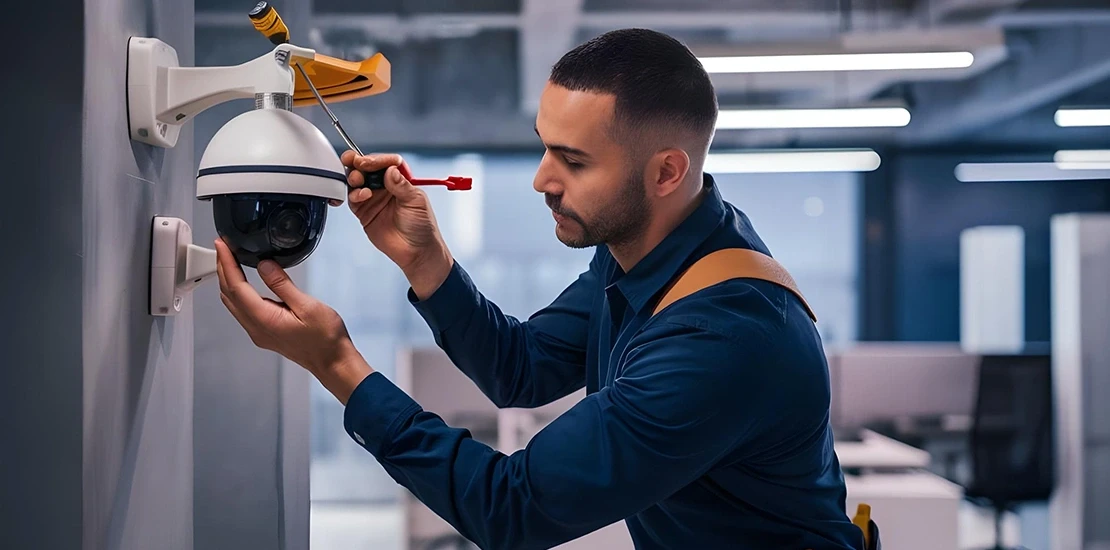
During the initial warranty period after installation, some basic maintenance work is often included within the original installation agreement, especially faults resulting from manufacturing defects in the equipment itself. But once the warranty period ends, full responsibility for periodic maintenance falls on the facility owner, and this is exactly where early planning for a maintenance contract that begins right after the warranty ends becomes important, instead of leaving a coverage gap that may coincide with the appearance of the first real faults after the initial period of use.
Practically speaking, it’s advisable to discuss this transition with the installation company from the start, and ask whether they will handle maintenance themselves after the warranty ends or whether it will require contracting a separate CCTV maintenance company, since some companies specialize in installation only without offering long-term maintenance services. A CCTV maintenance company that also handled the original installation typically has a head start here, since it already knows the system’s exact configuration and history.
Contracting Process with a CCTV Maintenance Company
The process typically begins with an initial assessment visit during which the company inspects the existing system’s condition and documents any actual problems present, before providing a quote outlining the proposed maintenance scope and the number of periodic visits. Once contract terms are agreed upon, the first periodic visits are scheduled according to the agreed timetable, with each visit documented in a technical report explaining what was inspected and any additional recommendations. It’s also important to agree from the start on a communication mechanism for emergency faults outside scheduled visit dates, to ensure fast response when actually needed rather than only during routine visits.
Do All Facilities Need the Same Level of Periodic Maintenance
Not all facilities need the same level of maintenance, since that depends on the system’s size, the nature of risks, and how sensitive the facility’s activity is. Small commercial facilities with a limited number of cameras may be fine with a quarterly or even semi-annual maintenance visit without significantly affecting protection level, while large facilities like malls or industrial warehouses need a more frequent schedule given the large number of monitoring points and the higher likelihood of any component failing faster due to intensive use. Similarly, sensitive facilities like banks or government institutions often face stricter maintenance requirements imposed by specific regulatory bodies, not just an internal decision by the facility owner.
Practically speaking, the best way to determine the right schedule is to discuss it directly with a specialized CCTV maintenance company that assesses the existing system and proposes a schedule that fits the facility’s actual risk profile, rather than applying a uniform schedule to all clients regardless of differing needs.
The Importance of Documenting the Maintenance Log as a Future Reference
Keeping an organized, documented record of all past maintenance visits represents practical value beyond just proving compliance. This log allows the facility owner, or any new technician handling maintenance later, to understand the system’s complete history and know which components have suffered recurring faults that may warrant replacement rather than continued repair. Similarly, when dealing with insurance companies or renewing Civil Defense approval, this documented log becomes practical evidence of compliance with required technical standards, instead of relying on undocumented verbal claims that may not be officially accepted when needed.
Conclusion
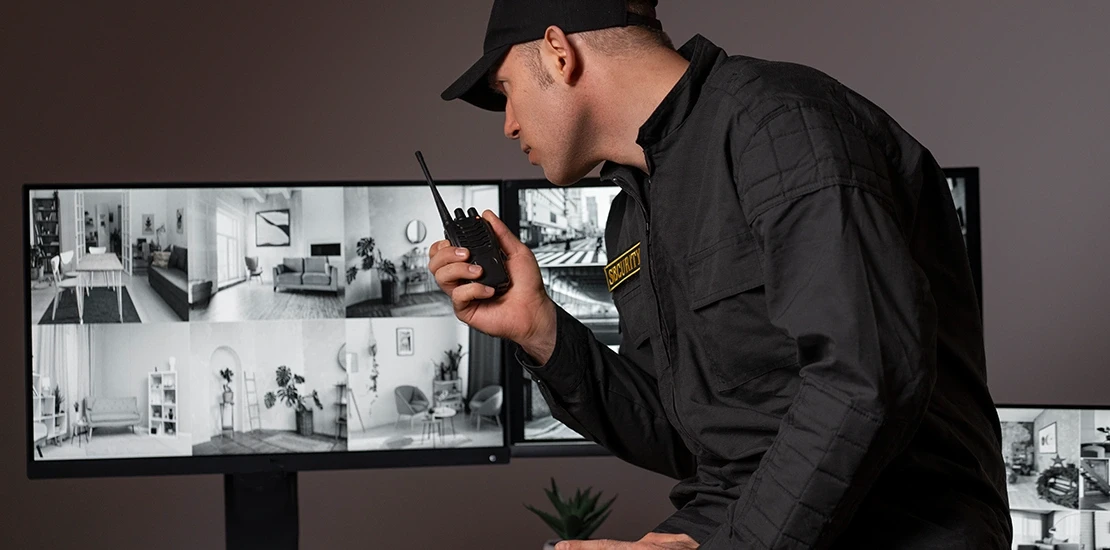
Working with a specialized CCTV maintenance company and establishing a clear periodic maintenance schedule for safety and security systems isn’t an optional procedure — it’s what determines the difference between a system that actually works when needed and one that appears fine on the surface but may fail at the critical moment.
A correct understanding of the difference between preventive and reactive maintenance, commitment to a regular inspection schedule for every component of the security ecosystem, combined with choosing a specialized CCTV maintenance company that provides documented reports and fast response, is what ensures real, sustainable protection for your facility. Ultimately, investing in periodic maintenance isn’t an added cost — it’s a natural and necessary extension of the original investment in installing the system itself.
Frequently Asked Questions
How often should CCTV cameras be inspected annually? A simple monthly check is recommended to confirm cameras are working, along with a deeper quarterly check of connections and storage capacity, and a comprehensive annual check that evaluates the system’s overall efficiency compared to the facility’s current needs.
Can an internal team handle security system maintenance instead of a specialized company? This is possible for simple checks like confirming devices are working, but accurate technical diagnosis of complex problems often requires specialized expertise that may not be available within a general internal team.
What happens if periodic maintenance is neglected for a long time? This typically leads to small, unnoticed problems accumulating until they turn into a large, costly failure, in addition to the likelihood of discovering the system is faulty only when actually needed to review footage or respond to an emergency.
Do maintenance contracts include spare parts within the cost? This varies by contract; some contracts include basic spare parts within the periodic subscription, while others bill parts separately when needed, so it’s important to clarify this clause before signing.
Does camera maintenance differ from alarm system maintenance in terms of frequency? Yes, alarm and fire systems usually need more frequent inspection given their higher security sensitivity, in addition to Civil Defense certificate renewal requirements that mandate a documented maintenance log.
Can a specialized company detect system faults remotely? Yes, some advanced maintenance contracts include remote monitoring that allows the company to detect any performance decline before it turns into a tangible fault, reducing unplanned downtime periods.
How do I know it’s time to replace the system entirely instead of continuing to maintain it? When the cost of recurring maintenance or persistent faults exceeds the cost of replacing the system with newer equipment, or when the current system no longer covers the facility’s needs after an expansion, replacement becomes the more economically viable option.
Does the maintenance contract cover periodic inspection of backup power sources? Yes, inspecting backup power source batteries is an essential part of any comprehensive maintenance schedule, since these batteries are what ensure the system keeps working if main power fails, and they’re a component easily overlooked without regular periodic inspection.