 Get a Quote
![[:en]Control Circle Company[:ar]شركة دائرة التحكم[:]](https://ccco.com.sa/wp-content/themes/Control/assets/images/lang.svg "[:en]Control Circle Company[:ar]شركة دائرة التحكم[:]")
How to Choose the Right Fire Alarm System for Your Facility
How to Choose the Right Fire Alarm System for Your Facility
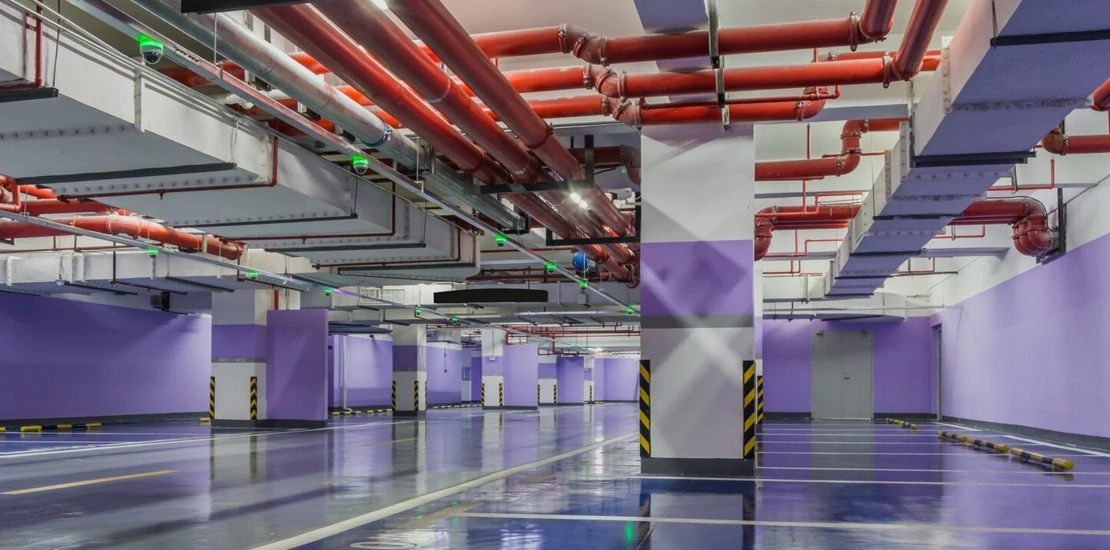
How to Choose the Right Fire Alarm System Company for Your Facility
Choosing a fire alarm system company is not a simple technical decision — it directly affects the safety of lives and property inside your facility. Many owners of commercial and industrial facilities in Saudi Arabia treat this choice as a formality to satisfy Civil Defense requirements, when in reality the difference between a specialized company and an unqualified one can determine how quickly a fire is detected and how effectively it is responded to in those first critical moments.
Why Your Facility Needs a Specialized Company, Not Just an Equipment Supplier
Many people confuse buying fire alarm devices with hiring an integrated company to design, install, and maintain the system. Equipment alone does not protect a facility; real protection comes from correct engineering design that accounts for the building’s size, the nature of its activities, and potential hazard sources, combined with installation that meets required specifications and periodic maintenance that keeps the system ready at all times. For this reason, it is best to work with a fire alarm system company that offers the full service, from initial consultation through long-term maintenance.
Core Criteria for Choosing a Fire Alarm System Company
The first thing to verify is whether the company holds licenses and approvals from the General Directorate of Civil Defense, since any system lacking these approvals may be rejected during inspection even if it is technically sound. Next comes actual experience with projects similar to your facility’s nature; the requirements of an industrial factory differ significantly from those of a commercial mall or an administrative building. It is also important to review the company’s track record on previous projects with government entities or major facilities, as this is a practical indicator of its ability to meet technical and time specifications.
Another equally important factor is the quality of technical support after installation. A fire alarm system is not a product you install and forget; it needs periodic inspection, device testing, and preventive maintenance to keep it working reliably, which specialized companies provide as part of their ongoing maintenance and support services after handover.
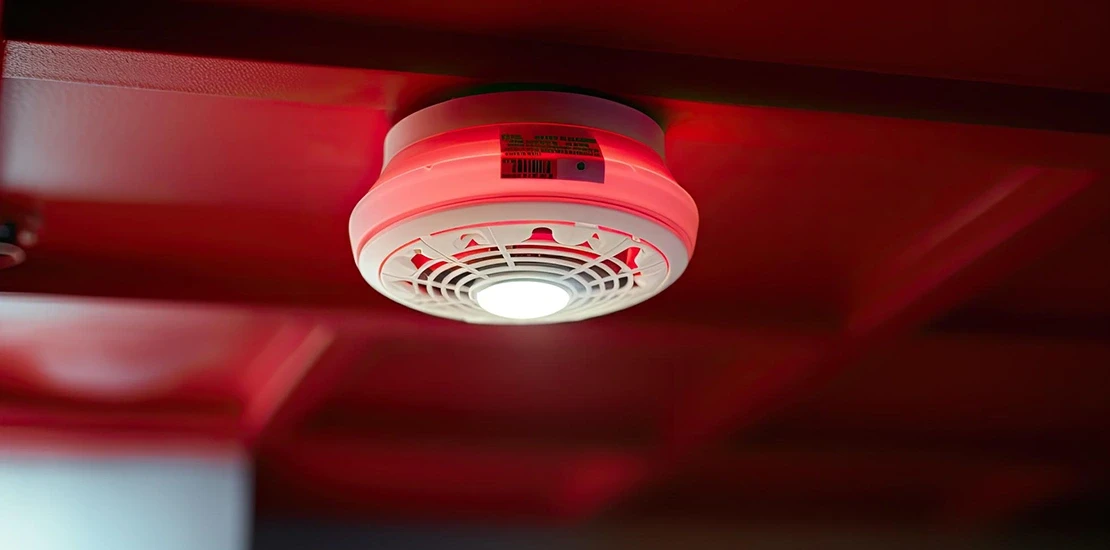
Types of Fire Alarm Systems Available in the Market
Fire alarm systems differ in their detection method and how signals are transmitted. Conventional systems divide a building into zones, so when a fire occurs, the control panel identifies only the affected zone rather than the specific device, making them suitable for small to medium-sized buildings with limited budgets. Addressable systems, on the other hand, pinpoint the exact location of the device that triggered the alarm, speeding up response and reducing the chance of error, which makes them the better choice for large, multi-floor, or higher-risk facilities.
There are also wireless systems, which rely on sensors connected via a radio network instead of cabling, commonly used in existing buildings where running new wiring would be difficult without affecting the structure or finishes.
Choosing the right type isn’t an arbitrary decision; it depends on a precise engineering assessment that accounts for the facility’s size, occupant count, and the nature of activities inside it. This is where the real difference shows between a company that provides genuine technical consultation and one that simply sells the cheapest device it has on hand.
Design Factors That Vary by Facility Type
Fire alarm requirements differ substantially depending on the nature of the facility. In factories and industrial warehouses, the design must account for flammable materials or dust that could affect detector sensitivity, requiring detectors specifically suited to these environments. In malls and commercial centers, the focus shifts to comprehensive coverage of large, multi-exit spaces, with the alarm system needing to integrate with voice evacuation systems to ensure a fast response from occupants. In healthcare facilities, protection requirements become more complex due to patients who may be unable to evacuate independently, requiring a design that accounts for phased protection zones rather than immediate full evacuation.
This variation in requirements shows why choosing a fire alarm system company shouldn’t be treated as a one-size-fits-all decision. It’s essential to confirm that the company you’re hiring has genuine experience in the specific sector your facility belongs to.
The Difference Between Initial Installation and Long-Term Commitment
Some facilities fall into the trap of choosing the lowest-priced offer without considering the long-term cost of maintenance and support. An experienced fire alarm system company provides clear maintenance contracts covering periodic inspection, spare parts, and fast response to faults, protecting your actual investment in the system instead of settling for an initial installation that may not be properly maintained afterward.
The Role of Experience with Government and Large-Scale Projects
It is practically useful to review a company’s previous work with entities that hold strict safety standards, such as government facilities, healthcare institutions, and major commercial centers, since these projects usually undergo rigorous technical review that reflects the company’s actual commitment to standards. A company like Control Circle, which has delivered fire suppression and alarm system projects for a range of clients, offers a practical example of how engineering design can be integrated with Civil Defense requirements within a single, complete project.
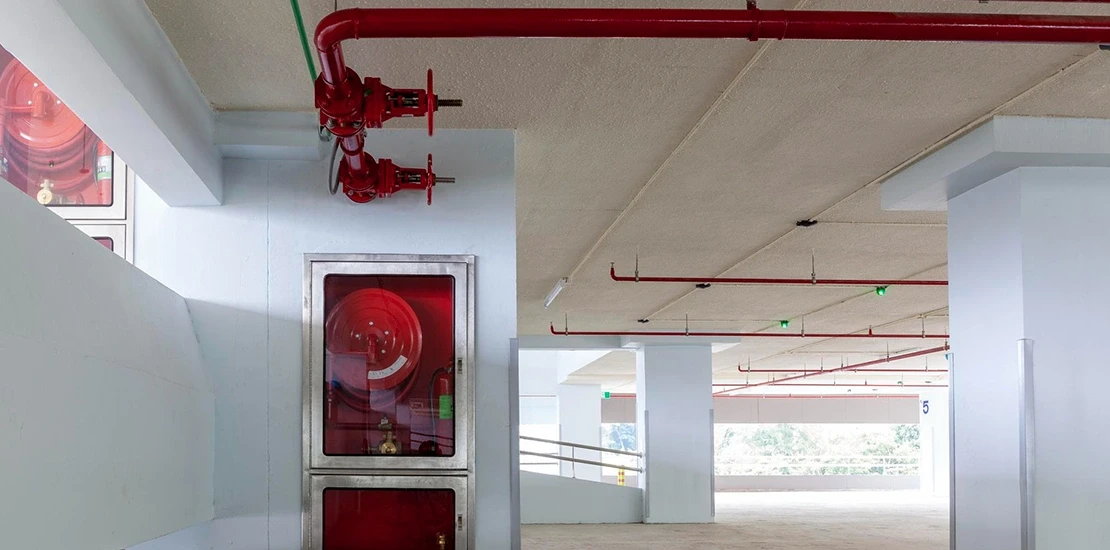
Common Mistakes When Hiring a Fire Alarm System Company
One of the most frequent mistakes is relying on price alone without verifying the actual scope of service; some low-cost quotes exclude engineering design, warranty, or maintenance, leaving the facility owner facing unexpected additional costs later. Another common mistake is hiring a company that has never worked on a facility of the same type or scale, since experience designing a system for an administrative building doesn’t necessarily translate into the ability to design a suitable system for a large industrial warehouse or a facility handling flammable materials.
Some owners also overlook the need to confirm the presence of a local technical support team capable of responding quickly to faults, which is a critical factor especially for facilities that operate around the clock.
It’s also worth noting that some suppliers offer imported devices without official Saudi approval, which may look like an economical solution at first but turns into a real obstacle when requesting Civil Defense certification or renewing the facility’s operating licenses.
Signs Your Current System Needs an Update
Even facilities that installed a fire alarm system in the past may need to periodically reassess it. One of the clearest signs that a review is needed is recurring faults or false alarms, which usually indicates aging equipment or devices that no longer suit the surrounding environment. Similarly, any expansion of the building or change in the nature of activities inside it requires reassessing the system design, since what was sufficient for a previous space or activity may not cover new risks.
Finally, if a system has gone more than ten years without a comprehensive update, some of its components likely no longer meet the latest Civil Defense requirements, making a full technical inspection by a specialized company necessary before any license renewal.
The Importance of Staff Training on the System
Many facilities focus solely on the technical side of installation and overlook an equally important element: training staff on how to respond when the alarm sounds. An advanced fire alarm system without a clear evacuation plan or regular staff training loses much of its effectiveness, since fast, organized human response is what turns early detection into an actual safe evacuation. It’s therefore best to hire a fire alarm system company that includes staff orientation sessions as part of its service, covering how the system works, safe assembly points, and how to handle false alarms without causing confusion.
How the Contracting Process Works, Step by Step
The process typically starts with a site visit to assess the facility and understand its activities and potential hazards, followed by a preliminary engineering design outlining detector locations, control panels, and alarm routing. Once the design is approved, the company moves to procurement and installation according to the agreed timeline, then conducts comprehensive system testing before submitting it to Civil Defense for official approval. The final step, which is often the most overlooked by facility owners, is signing a periodic maintenance contract that keeps the system reliable long-term instead of leaving it unmonitored after handover.
Frequently Asked Questions
Can a fire alarm system be installed without Civil Defense approval? In practice, any unapproved system exposes the facility to violations and may need to be fully replaced during inspection, which is why it’s always advisable to work with a fire alarm system company that guarantees official approval from the design stage onward.
How long does it take to install a fire alarm system for a medium-sized facility? The timeline varies depending on building size and design complexity, but it typically includes engineering survey, design, installation, and final testing before handover and approval.
Do specialized companies include maintenance after installation? Yes, integrated companies provide periodic maintenance contracts that ensure the system’s ongoing efficiency and immediate response when needed.
What’s the difference between an equipment supplier and an integrated fire alarm system company? A supplier simply sells devices, while an integrated company handles engineering design, installation, official approval, and long-term maintenance under one accountable service.
Do fire alarm requirements differ depending on the type of facility? Yes, requirements vary based on the nature of the activity, building size, and risk level, which is why it’s best to work with a company that has diverse experience across different sectors.
What’s the difference between a conventional and an addressable system? A conventional system only identifies the affected zone, while an addressable system pinpoints the exact device location, making it the better choice for large or multi-floor facilities.
Does hiring a specialized company include staff training? Integrated companies often provide a brief orientation session for the facility’s team after handover, covering how the system works and safe evacuation steps, which increases the system’s effectiveness in real situations.
Conclusion
Choosing the right fire alarm system company for your facility deserves real time and scrutiny, because it’s not just about complying with Civil Defense requirements — it’s about protecting employees’ lives and the facility’s assets in any emergency. Verifying official approvals, reviewing genuine experience on similar projects, and confirming the availability of technical support and periodic maintenance after handover are all elements that make the difference between a system that actually works when needed and one that remains a mere formality on paper.