 Get a Quote
![[:en]Control Circle Company[:ar]شركة دائرة التحكم[:]](https://ccco.com.sa/wp-content/themes/Control/assets/images/lang.svg "[:en]Control Circle Company[:ar]شركة دائرة التحكم[:]")
DSPA vs Traditional Fire Suppression Systems: What’s the Difference
DSPA vs Traditional Fire Suppression Systems: What’s the Difference
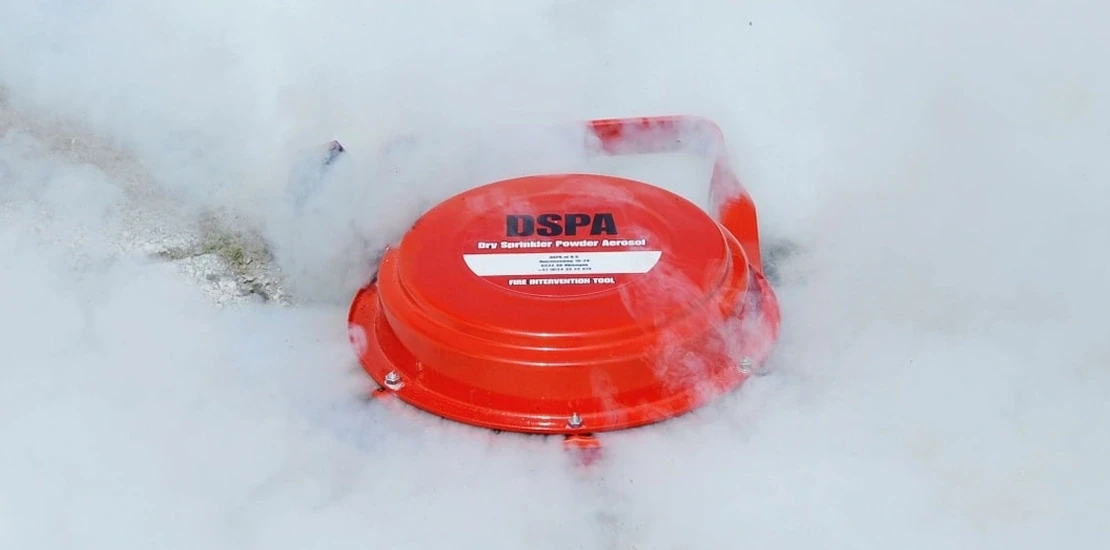
Many owners of facilities with sensitive electronic equipment, paper archives, or electrical rooms are surprised to learn that a traditional water-based suppression system can sometimes cause damage that exceeds the losses from the fire itself. This is where a waterless fire suppression system comes in — an advanced technology specifically designed to extinguish fire without causing any water damage to the contents or sensitive equipment inside the facility, making it an essential choice for any facility holding assets that can’t easily be replaced. As Saudi facilities increasingly rely on digital infrastructure and data rooms, understanding this type of system has become a practical necessity for decision-makers before taking any step toward installation.
Why a Waterless Fire Suppression System Is an Advanced Choice
Traditional water-based systems are effective at extinguishing general fires, but they’re entirely unsuitable for environments such as server rooms, electrical control panels, museums, and archival storage, where water itself poses a hazard equal to the fire. A waterless fire suppression system relies on chemical agents, gases, or fine particles that extinguish fire by cooling the flame or displacing the oxygen feeding it, without leaving any moisture residue that could damage electronic circuits or paper documents.
How a Waterless Suppression System Works
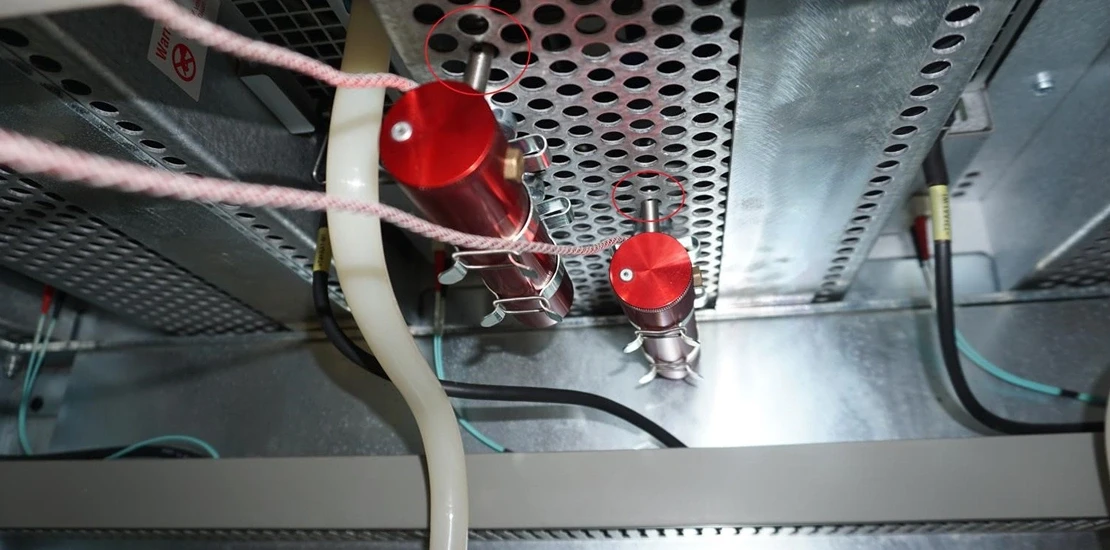
Most waterless suppression systems operate on a shared principle: rapid intervention in the fire triangle (heat, fuel, oxygen) without introducing water into the equation. With condensed aerosol (DSPA) technology, upon detecting a fire the system releases a cloud of extremely fine particles that break the chemical combustion reaction directly in the surrounding air — a very fast process that doesn’t require high pressure or complex piping like compressed gas systems do. This makes the technology particularly suited to small, enclosed spaces such as electrical cabinets and distribution panels.
The Difference Between Waterless and Traditional Suppression Systems
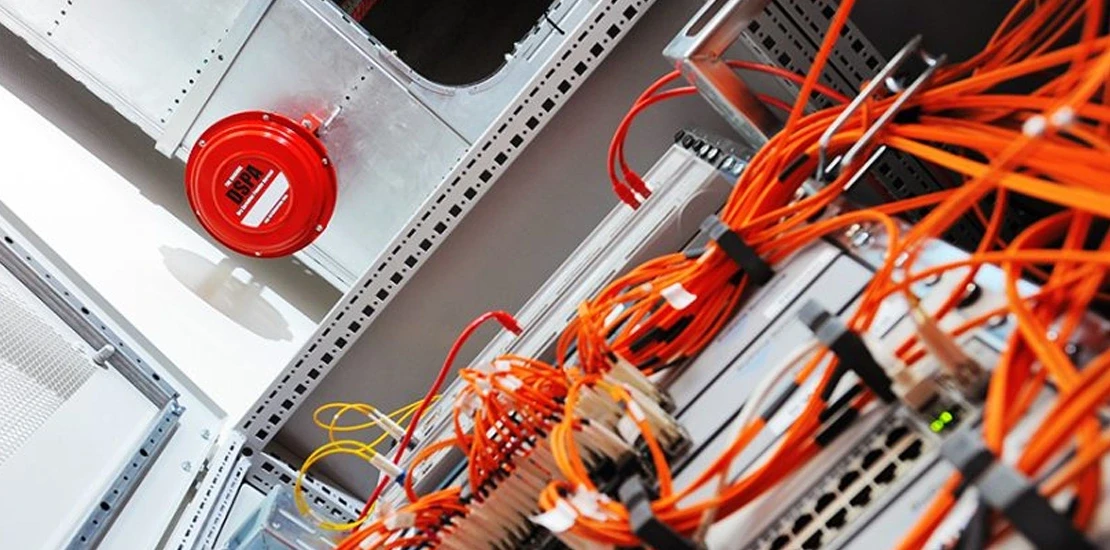
The core difference isn’t limited to the absence of water; it extends to response speed and the nature of secondary damage. Traditional water-based systems require an extensive pipe network and sprinkler heads distributed across the entire space, which demands larger construction work and longer implementation time. Waterless suppression systems, by contrast, are often standalone units or locally distributed within the protected area, reducing structural complexity and making them a practical choice for limited spaces or existing buildings where modifying the infrastructure is difficult. In terms of damage, while a water-based system may destroy an entire room’s contents even if the fire was limited, a waterless system’s effect stays confined to the immediate fire area without additional consequences.
Types of Waterless Suppression Systems Available
There’s more than one technical path under the umbrella of waterless suppression systems. Condensed aerosol (DSPA) is currently the most widespread, given its ease of installation and relatively reasonable cost compared to other alternatives. There are also clean agent systems, which use gases that don’t conduct electricity and leave no residue after use, commonly deployed in large data rooms and control centers. Finally, there are dry foam and chemical powder systems, suited to specific fire types such as oil or liquid chemical fires, though less suitable for sensitive electronic environments compared to aerosol or clean agents.
Best Environments for Installing This Type of System
A waterless fire suppression system is the optimal choice in any environment holding sensitive assets that are hard to replace. Server rooms and data centers top this list, where any contact between water and equipment can cause massive financial losses and a complete service outage. Main electrical rooms and distribution panels follow closely, where water poses a direct electrocution risk in addition to physical damage. Museums, archives, and rare libraries represent another sensitive environment, since historical documents or artifacts can’t be replaced if damaged by water. Finally, archive rooms in government and financial institutions holding sensitive legal or financial records benefit directly from this technology.
Common Mistakes When Choosing a Waterless Fire Suppression System
One of the most common mistakes is installing this type of system in a space larger than its design capacity, which significantly reduces its effectiveness in an actual fire. Another mistake is overlooking compatibility between the type of aerosol or gas used and the nature of the room’s contents; some sensitive chemicals may react undesirably with a specific suppression agent. Some also neglect to link the system to the facility’s overall early warning network, which delays automatic activation and undermines the fast-response value that defines this technology in the first place. Finally, hiring a company without genuine experience designing this specific type of system can lead to incorrect calculations of the suppression agent quantity needed to effectively cover the space.
Signs Your Facility Needs This Type of System
If your facility has a server room or main electrical panel still protected by a traditional water sprinkler system, that’s a clear sign it’s time for reassessment. Similarly, if the facility has previously suffered equipment damage from a water system activating despite a limited fire, that’s a direct indicator of the need for a waterless alternative. Any expansion of data rooms or addition of new electronic equipment also warrants reviewing the current protection system to confirm it suits the nature of the new assets.
Criteria for Choosing the Right Company to Design and Install the System
Designing a waterless fire suppression system requires a higher level of engineering precision than traditional systems, since any error in calculating the quantity or type of suppression agent can render the system ineffective when actually needed. The first thing to verify when choosing a specialized company is whether it has documented experience with similar projects — not just general experience with traditional suppression systems. It’s also important to confirm that the equipment and materials used carry recognized international certifications in addition to Saudi Civil Defense approval, since some cheaper products on the market may not undergo the same quality testing.
Another critical factor is the company’s ability to provide an accurate calculation study of the target room’s size and the suppression agent density required, since this calculation differs entirely from traditional sprinkler system calculations. Finally, it’s best to confirm the company offers maintenance service specific to this type of system, since general maintenance teams may lack the expertise needed to properly handle aerosol canisters or clean agent cylinders.
The Importance of Staff Training on the System
Although waterless suppression systems mostly operate automatically, training staff to understand the activation mechanism and immediate evacuation steps when the suppression agent releases remains essential, especially since some of these agents may require evacuating the space before full activation to protect personnel safety. An experienced fire suppression system company typically provides a brief orientation session explaining to the team how to respond when the alarm linked to this specific type of system sounds.
How the Contracting Process Works, Step by Step
The process begins with a site visit to assess the nature of the contents inside the target room, its size, and its sensitivity level, followed by proposing the most suitable technology among available options (condensed aerosol, clean gas, or others) based on this assessment. Once the design is approved, installation and integration with the facility’s early warning system take place, after which the system undergoes precise operational testing before handover and official approval. As with any safety system, it’s advisable to sign a periodic maintenance contract that keeps the suppression agent and its associated sensors reliable over the long term.
Conclusion
Choosing a waterless fire suppression system isn’t a technical luxury — it’s a practical necessity for any facility holding assets that can’t easily be replaced, whether digital data, electrical equipment, or historical documents. A correct understanding of the difference between this technology and traditional systems, combined with working with a specialized company capable of designing the right solution for each room’s nature, is what guarantees real protection instead of a formality that may fail when actually needed. As Saudi facilities continue expanding their digital infrastructure and sensitive archives, early investment in this type of protection becomes a strategic decision rather than an added cost.
Frequently Asked Questions
Is a waterless fire suppression system safe to use when people are present? The answer depends on the technology used; some clean agents are designed to be relatively safe, while other technologies like condensed aerosol require evacuating the room before activation, so it’s essential to review this detail with the specialized company before installation.
Is this system suitable for homes and small offices? It’s mostly used in specialized spaces like server rooms and electrical panels rather than as a general solution for typical residential or office spaces, where traditional water systems or manual fire extinguishers remain sufficient in most cases.
How much does a waterless fire suppression system cost compared to a traditional system? Cost varies depending on the space size and chosen technology, but it’s usually higher than traditional water systems for the same area — a difference justified by avoiding costly secondary damage to sensitive assets.
Does this system require different maintenance than traditional systems? Yes, it requires periodic inspection of the suppression agent canister’s integrity and its associated sensors, which specialized companies provide as part of periodic maintenance contracts after installation.
Can a waterless suppression system be combined with a traditional fire alarm system in the same facility? Yes, this is actually the standard practice — a waterless suppression system is used specifically in sensitive rooms while traditional alarm and suppression systems cover the rest of the facility.
Does installing this system require Civil Defense approval like traditional systems? Yes, any fire suppression system regardless of its technology is subject to Saudi Civil Defense approval requirements, which is why it’s essential to work with a company that ensures the design and installation comply with these requirements from the start.